

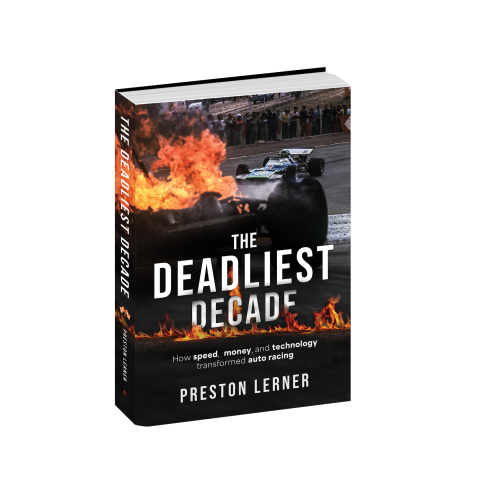


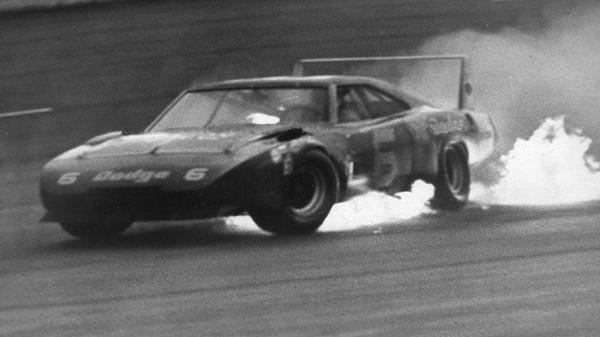
The Deadliest Decade plunges readers into the most perilous era in the history of auto racing, when the pursuit of speed outpaced the science of survival.
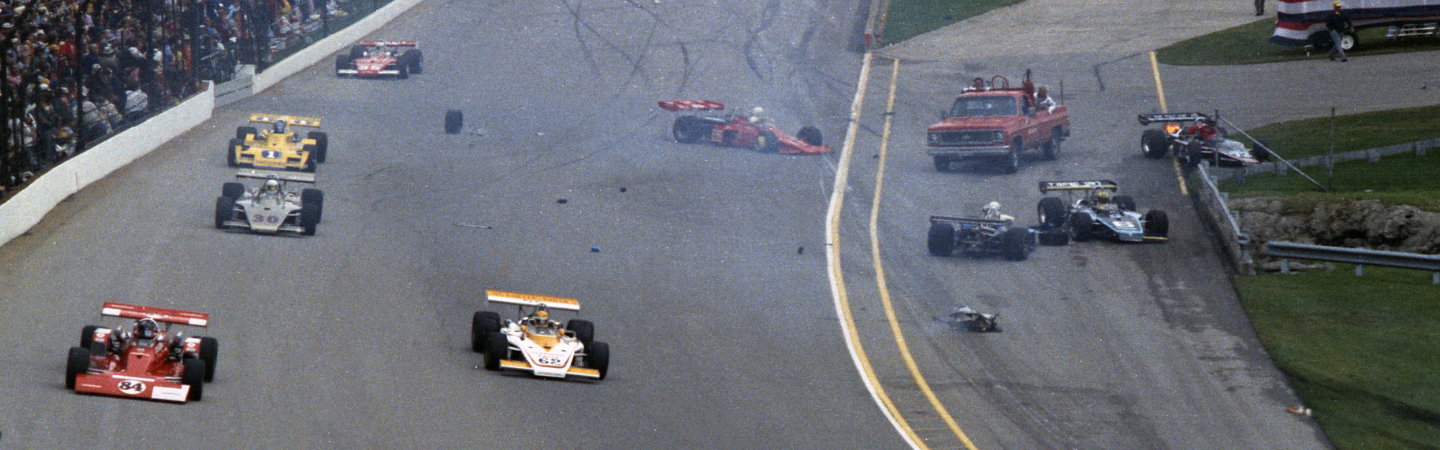
Starting in the mid-1960s, an unprecedented infusion of money from corporate sponsorship and fierce manufacturer rivalries funded groundbreaking technology ranging from aerodynamics to turbocharging. In Formula 1, Indy cars, NASCAR, and drag racing, speeds skyrocketed to levels that were unimaginable only a few years earlier even as manifestly lethal tracks remained unchanged and safety issues were ignored. The inevitable result was a staggering loss of life—nearly 1,400 racers and spectators were killed during the ten-year stretch from 1964 to 1973.
Drawing on the firsthand recollections of survivors from this period, each chapter of the book examines a pivotal moment, technological innovation, or catastrophic event, from the critical role television played in broadening the audience for racing to the botched rescue efforts that prompted international outrage after Roger Williamson’s death during the Dutch Grand Prix in 1973. But the overarching theme is how a handful of visionaries, led by Jackie Stewart, refused to accept the carnage as business as usual. Safety became not only a stated goal but the foundation of a new industry that introduced fire suits, full-face helmets, fuel cells, and other protective gear that forever changed the sport.
The Deadliest Decade is a powerful, unflinching account of how racing confronted its own mortality—and how the growing emphasis on safety helped transform the dangerous low-budget sport of the ’60s into today’s lucrative business-entertainment leviathan.
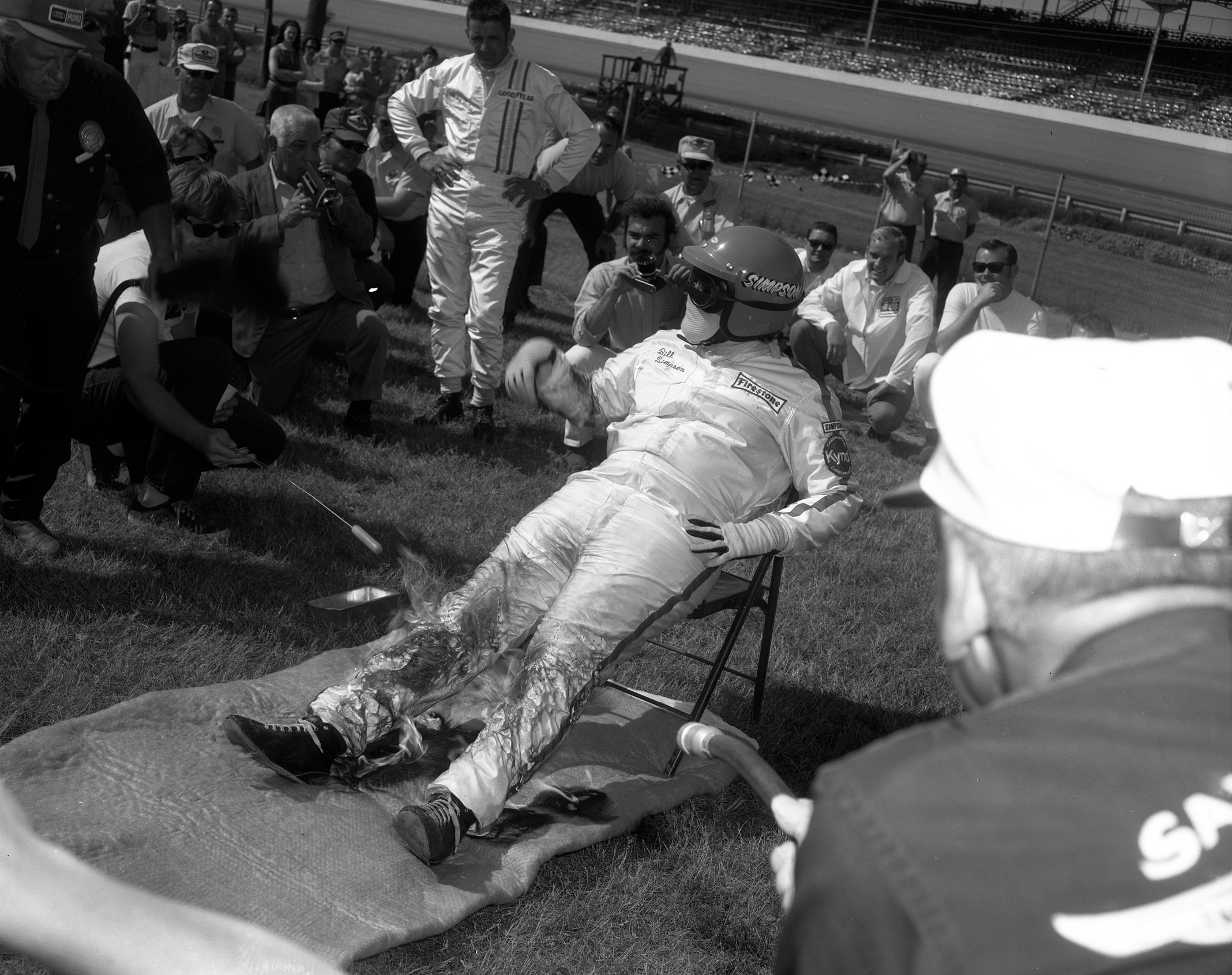
Bill Simpson, who helped popularize fire-retardant Nomex uniforms, demonstrating one of his race suits at Indy.
Related content


Product details
Related books